
Revamping Your Culinary Space: London Kitchen Renovations
Exploring Trends in London Kitchen Designs
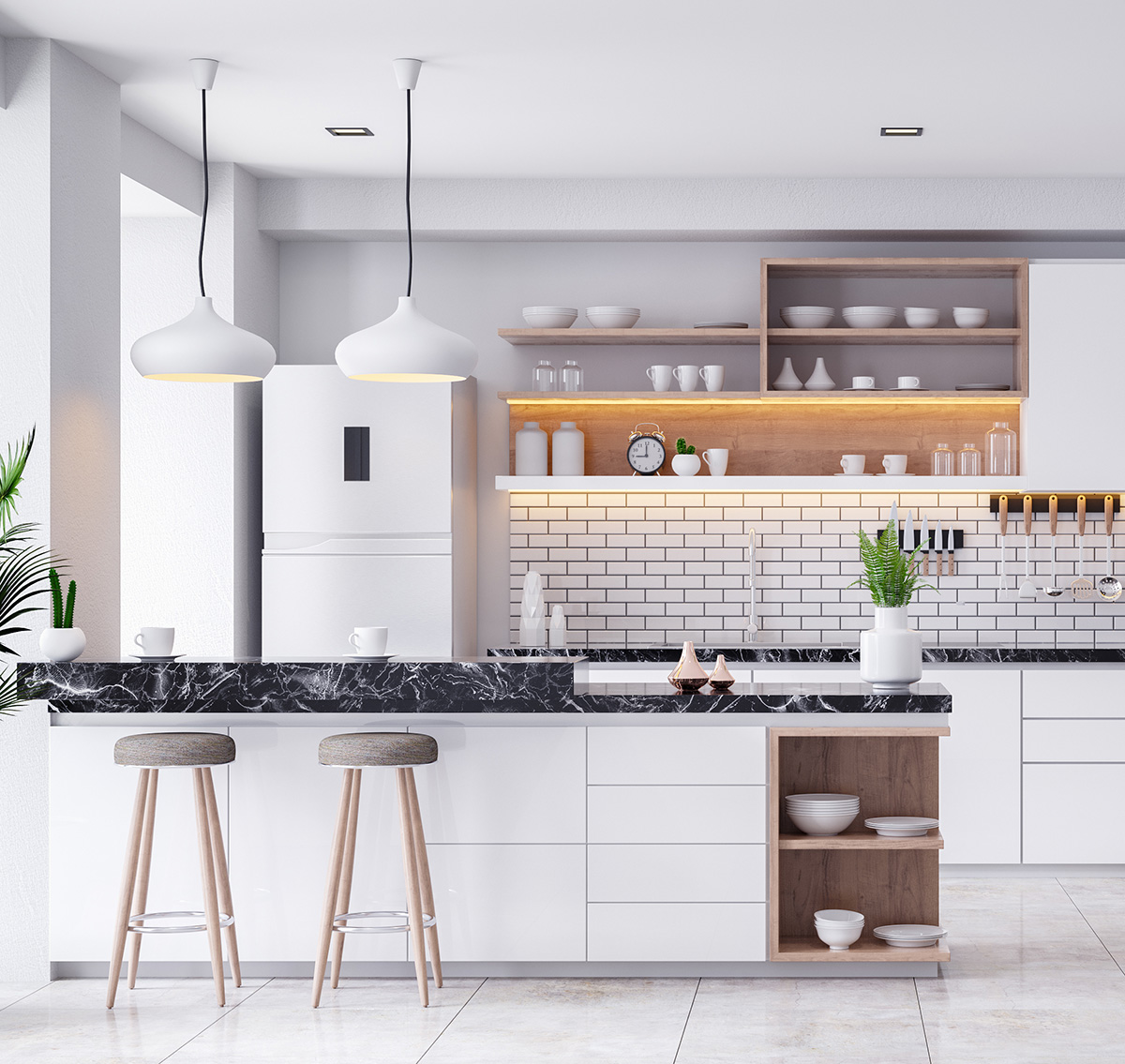
London’s culinary spaces are swiftly embracing innovative design trends that blend functionality with personal style. A notable trend is the surge in minimalist designs, characterized by clean lines and uncluttered spaces. This style not only enhances the aesthetic appeal of the kitchen but also improves usability, making every movement efficient and purposeful. The minimalist approach often incorporates hidden storage solutions and integrated appliances, which preserve the sleek appearance while maximizing space.
Another popular trend in London kitchens is the use of bold colours and textures. Against the backdrop of neutral walls, vibrant cabinetry and textured backsplashes make a statement. This trend allows homeowners to express their personalities with unique colour palettes and materials, creating a space that feels both inviting and expressive. Moreover, such visual diversity can enliven the kitchen environment, making it a focal point for social interaction.
Eco-friendly designs are also gaining traction, reflecting a growing awareness of sustainability. Materials such as reclaimed wood for cabinets or bamboo for flooring are not only environmentally friendly but also add warmth and rustic charm to the kitchen. Energy-efficient appliances and water-saving fixtures are becoming standard, supporting sustainable living practices while also helping households reduce utility bills.
Selecting a London Kitchen Renovation Expert
Choosing the right expert for a kitchen renovation in London requires careful consideration. It is crucial to select a designer or contractor with a robust portfolio of work and positive client testimonials. Experience in handling urban spaces, where unique challenges such as limited square footage or heritage building regulations might arise, is particularly valuable. A seasoned professional will navigate these obstacles efficiently, ensuring that your vision is executed without compromising on quality or compliance.
Consultation and communication are key factors when working with a renovation expert. Prospective designers should be willing to listen to your ideas and preferences while also providing their expert advice and creative solutions. This collaborative approach ensures that the final design reflects your lifestyle and functional needs. Furthermore, a detailed contract outlining the project scope, timeline, and budget helps in maintaining transparency and sets clear expectations.
Certifications and accreditations can also guide your decision. Look for professionals who are registered with relevant bodies such as the British Institute of Kitchen, Bedroom & Bathroom Installation (BiKBBI). Such credentials indicate a commitment to adhering to industry standards and maintaining a high level of craftsmanship in their projects.
Planning Your Kitchen Layout for Maximum Efficiency
The layout of a kitchen is pivotal in determining its functionality. The classic work triangle—positioning the sink, stove, and refrigerator at three separate points—facilitates smooth workflow and accessibility. In London, where space can be at a premium, optimizing the layout to reduce unnecessary movement is crucial. This might mean adapting the triangle to a linear or galley layout in smaller spaces, ensuring all essential features are within easy reach.
Open-plan kitchens are increasingly favoured for their ability to merge cooking and social spaces. This layout suits the modern lifestyle, where the kitchen also serves as a place for family gatherings or entertaining guests. Strategic placement of islands or breakfast bars can enhance interaction while also providing additional workspace and storage. Moreover, integrating living and kitchen areas can make smaller spaces appear larger and more welcoming.
Consideration of ergonomics will enhance kitchen use over long periods. Adjustable countertops, pull-out cabinets, and wall ovens at eye level can significantly ease the strain of cooking and cleaning, particularly for those with mobility issues. Such thoughtful design choices ensure that the kitchen remains a joy to use for everyone, regardless of age or ability.
Choosing Materials: Combining Aesthetics and Durability
The selection of materials for your London kitchen renovation should balance aesthetic appeal with practicality. High-quality materials not only dictate the longevity of your kitchen but also contribute to its overall beauty. Quartz and granite countertops, for example, offer a luxurious finish and are highly resistant to scratches and heat, making them ideal for both cooking and serving.
Flooring choices in the kitchen must withstand heavy foot traffic, spills, and frequent cleaning. Porcelain tiles are a popular choice due to their durability and vast range of designs. They can mimic the look of natural stone or wood while offering easier maintenance and better resistance to moisture and stains. For a softer, warmer underfoot, engineered wood flooring can also be a practical yet attractive option.
Cabinetry is another crucial component where quality should not be compromised. Solid wood cabinets are durable and can be painted or stained to match any decor, offering flexibility if you decide to update your kitchen’s look in the future. Alternatively, laminates are a cost-effective option, available in an array of colours and patterns, which can effectively mimic more expensive materials without the associated cost or maintenance headaches.
Integrating Modern Appliances into Classic Designs
Merging modern appliances with classic kitchen designs can provide the best of both worlds—state-of-the-art functionality wrapped in timeless beauty. Integrated appliances, such as built-in ovens or refrigerators disguised with cabinet fronts, maintain the aesthetic continuity of traditional designs while providing the conveniences of modern technology. This seamless integration ensures that the kitchen maintains its classic charm without sacrificing performance.
Smart appliances are transforming London kitchens, making daily tasks simpler and more efficient. Features like programmable ovens, refrigerators that can monitor food freshness, or dishwashers with adjustable cycles can be game changers in the culinary space. These modern innovations can be designed to appear aesthetically in line with the rest of the kitchen, ensuring that technology enhances rather than detracts from the overall design theme.
For those who admire the retro look but desire the efficiency of modern appliances, manufacturers now produce ranges that mimic vintage styles with the latest technology. This allows homeowners to maintain a specific period aesthetic while enjoying the benefits of speed, efficiency, and improved energy consumption. Such choices help bridge the gap between new and old, proving that kitchen designs can be both beautifully timeless and cutting-edge.
The Role of Lighting in Enhancing Your Kitchen
Effective lighting is crucial in transforming the functionality and atmosphere of your kitchen. Task lighting, such as under-cabinet lights, ensures that work areas are well illuminated, making cooking and preparation safer and easier. Ambient lighting, on the other hand, creates a warm and welcoming environment, ideal for dining or socializing. Strategically placed pendant lights or soft recessed lighting can enhance both the utility and aesthetics of the space.
The choice of lighting fixtures also plays a significant role in defining the style of your kitchen. Modern LED strip lights can lend a sleek and contemporary look, while classic chandeliers or vintage-style lamps can enhance a more traditional or rustic kitchen design. Dimmer switches are a valuable addition, allowing you to adjust the lighting intensity based on the time of day or the mood you wish to create.
Natural lighting should not be overlooked in kitchen design. Large windows or skylights can flood the space with daylight, making the kitchen feel larger and more open. Additionally, studies have shown that natural light can boost moods and increase energy levels, benefits that are particularly useful in a space where you start your day. For kitchens lacking in natural light, creating a reflective light scheme with mirrors or glossy surfaces can help maximize the available light.
Optimising Your Budget for a Kitchen Makeover
A well-planned budget is essential for a successful kitchen renovation in London. To optimise your expenditure, prioritize areas where spending more can mean longer-term savings, such as energy-efficient appliances or high-durability countertops. These investments pay off over time in reduced energy bills and maintenance costs. Also, consider the resale value that such improvements can bring, especially in a competitive real estate market like London.
It’s also wise to allocate funds for unexpected expenses—common in renovations. A contingency of around 10-20% of your total budget can cover unforeseen costs such as structural amendments or plumbing issues. This financial cushion ensures that the project can continue smoothly without compromising on quality or design elements due to budget constraints.
Finally, explore cost-saving measures without sacrificing quality. For example, choosing off-the-shelf cabinetry and customising it with unique handles or paint can achieve a bespoke look without the bespoke price tag. Similarly, mixing high-end materials with budget-friendly alternatives can keep your kitchen both stylish and affordable. Proper research and comparison shopping for materials and labour can also yield significant savings.
Anticipating Challenges in Urban Kitchen Renovations
Renovating a kitchen in London’s urban environment presents unique challenges. Space constraints are common in city dwellings, requiring creative solutions to maximise every square inch. Utilising multi-functional furniture, such as an island that can serve as a dining area, storage unit, and preparation space, can address such spatial limitations. Strategic use of vertical space with taller cabinets or hanging pot racks can also expand storage capacity without cluttering the kitchen.
Regulatory compliance is another consideration; many London properties are part of conservation areas or listed buildings, where alterations are subject to strict guidelines. Working with a renovation expert who is familiar with these regulations and can liaise with local authorities is crucial. This foresight prevents legal issues and ensures that the renovation enhances the property’s value whilst respecting its historical significance.
Noise and disruption are inevitable during renovations but can be particularly problematic in densely populated areas. Informing neighbours in advance and scheduling work during acceptable hours can mitigate conflict. Employing contractors who understand the need for quick, clean work practices minimises disruption and maintains good relationships with those around you. Proper planning and consideration can thus ensure a smooth renovation process, leading to a kitchen that is both beautifully designed and harmoniously integrated into its urban setting.